Loading
Measure. Understand. Improve.
Optional cookie notice
We use optional cookies to understand visits, improve the website, and measure marketing. You can accept or decline optional cookies.
Longevity testing should look at the systems that determine how you age: body composition, metabolic health, cardiovascular fitness, strength, recovery, and daily habits.

Key Takeaways
Use these points as a quick decision guide, then read the details below for context.
01
The strongest longevity baseline combines multiple tests instead of one score.
02
DEXA, blood work, VO2 max, and functional testing answer different healthspan questions.
03
Ongoing tracking turns assessment results into measurable habit change.

Longevity Assessment Stack
Build a clearer baseline across body composition, biomarkers, fitness, function, and behavior.
DEXA scan
Lean mass
Visceral fat
Bone density trends
Section 01
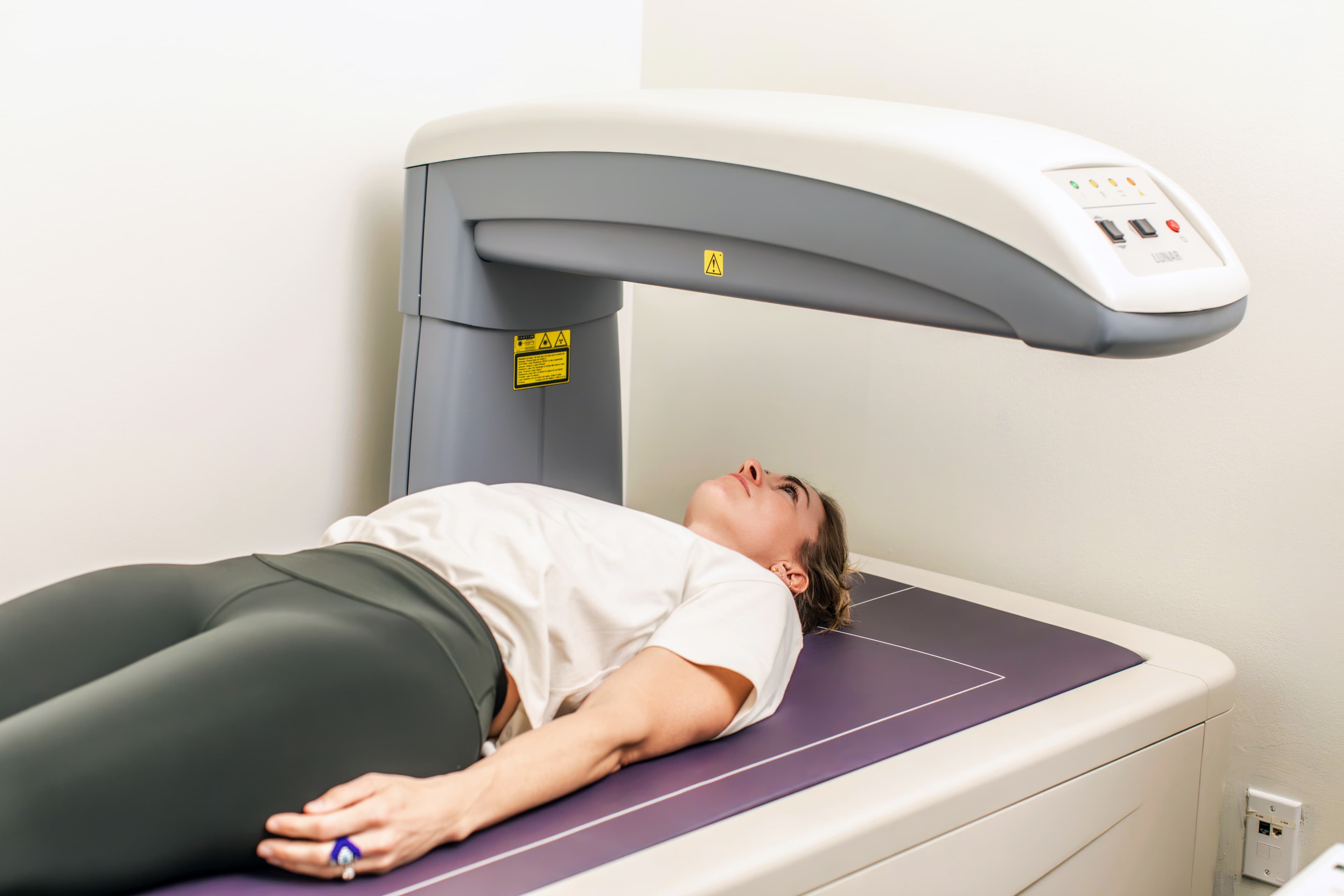
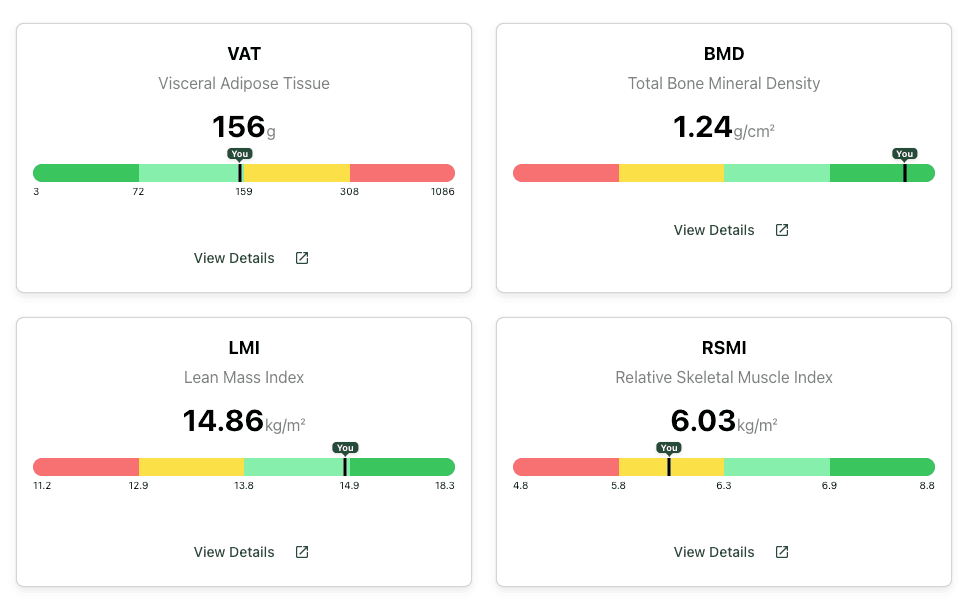
Body composition affects metabolic health, strength, mobility, and long-term resilience. DEXA helps measure lean mass, fat mass, visceral fat, and total bone mineral density.
For longevity, the goal is not simply to weigh less. It is to protect muscle, manage visceral fat, and understand how your body is changing over time.
DEXA scan
Lean mass
Visceral fat
Bone density trends
Section 02
Advanced blood work can reveal patterns in glucose regulation, lipids, inflammation, hormones, liver and kidney health, and nutrient status.
These markers help connect how you feel day to day with measurable health signals that can be tracked and improved.
Section 03
VO2 max is one of the most useful cardiorespiratory fitness markers for healthspan. Functional testing adds insight into strength, balance, and physical capacity.
Together, these tests help answer whether your body is prepared for the activities and demands you want to maintain as you age.
Section 04
The value of testing grows when results are connected to daily behavior. Sleep, blood pressure, activity, nutrition, and glucose tracking help explain what is changing and why.
Benchmark brings these signals into one dashboard so you can track progress instead of collecting disconnected reports.
Next Step
Use the Benchmark assessments and memberships linked here to turn the comparison into a measurable baseline.
Related Resources
These pages connect the guide to the assessments and memberships that make the information actionable.
FAQ
There is no single best test for everyone. A strong longevity baseline usually combines body composition, blood work, cardiovascular fitness, functional capacity, and ongoing lifestyle tracking.
Many people retest key metrics every 3 to 12 months depending on the test, their goals, and how actively they are changing training, nutrition, or habits.
No. Longevity assessments are useful for anyone who wants a proactive, measurable view of long-term health, not only athletes.
Explore More
Compare related questions and find the Benchmark starting point that fits your goals.
Choose an assessment or membership and start tracking the metrics that matter for your goals.