Loading
Measure. Understand. Improve.
Optional cookie notice
We use optional cookies to understand visits, improve the website, and measure marketing.
InBody estimates body composition from electrical resistance. A Benchmark DEXA scan images lean mass, fat, visceral fat, and bone density directly, then puts the results in your dashboard the same day.
$125
Included in Foundation, Lifestyle, and Performance
Accuracy: Gold-standard DEXA imaging, not a BIA estimate
No referral needed
Book a free 15 minute discovery call — no referral needed
The Verdict
Use InBody for a quick check-in. Use DEXA when you want a baseline you can trust, track, and act on.
01
DEXA uses low-dose X-ray to separate lean mass, fat, and bone. InBody is bioelectrical impedance: a small current and a calculated guess.
02
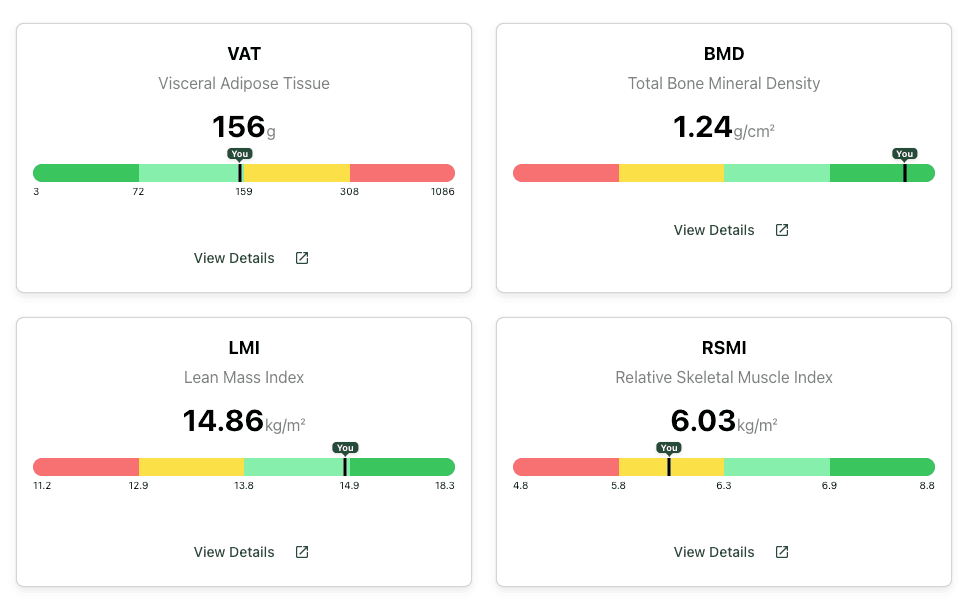
A Benchmark scan includes regional lean mass, body fat, visceral fat (VAT), bone density, muscle indices, and fat distribution.
03
Hydration, food, and workouts can move an InBody reading the same day. DEXA gives a repeatable baseline you can compare in 3 to 6 months.
Side by Side
The methods are not interchangeable. DEXA images tissue. InBody infers it.
Compare
Benchmark DEXA
InBody (BIA)
How it works
Benchmark DEXA
Dual-energy X-ray images lean tissue, fat, and bone directly.
InBody
Bioelectrical impedance sends a current and estimates composition from resistance.
Accuracy
Benchmark DEXA
Gold-standard body composition method used in research and clinics.
InBody
A convenient estimate that can swing with water, food, and workouts.
Lean mass
Benchmark DEXA
Regional lean mass plus muscle indices (LMI and RSMI).
InBody
Estimated total or segmental lean mass.
Body fat
Benchmark DEXA
Total fat mass, regional fat, and fat distribution.
InBody
Estimated body fat percentage.
Visceral fat (VAT)
Benchmark DEXA
Measured visceral adipose tissue, a key metabolic risk marker.
InBody
Often estimated or unavailable.
Bone density
Benchmark DEXA
Total bone mineral density.
InBody
Not measured.
Hydration sensitivity
Benchmark DEXA
Minimal. Results stay consistent from scan to scan.
InBody
High. A salty meal, workout, or water change can move the number.
Best use
Benchmark DEXA
A high-confidence baseline and every 3 to 6 month progress scan.
InBody
Frequent, low-friction check-ins between more precise tests.
What Our DEXA Measures
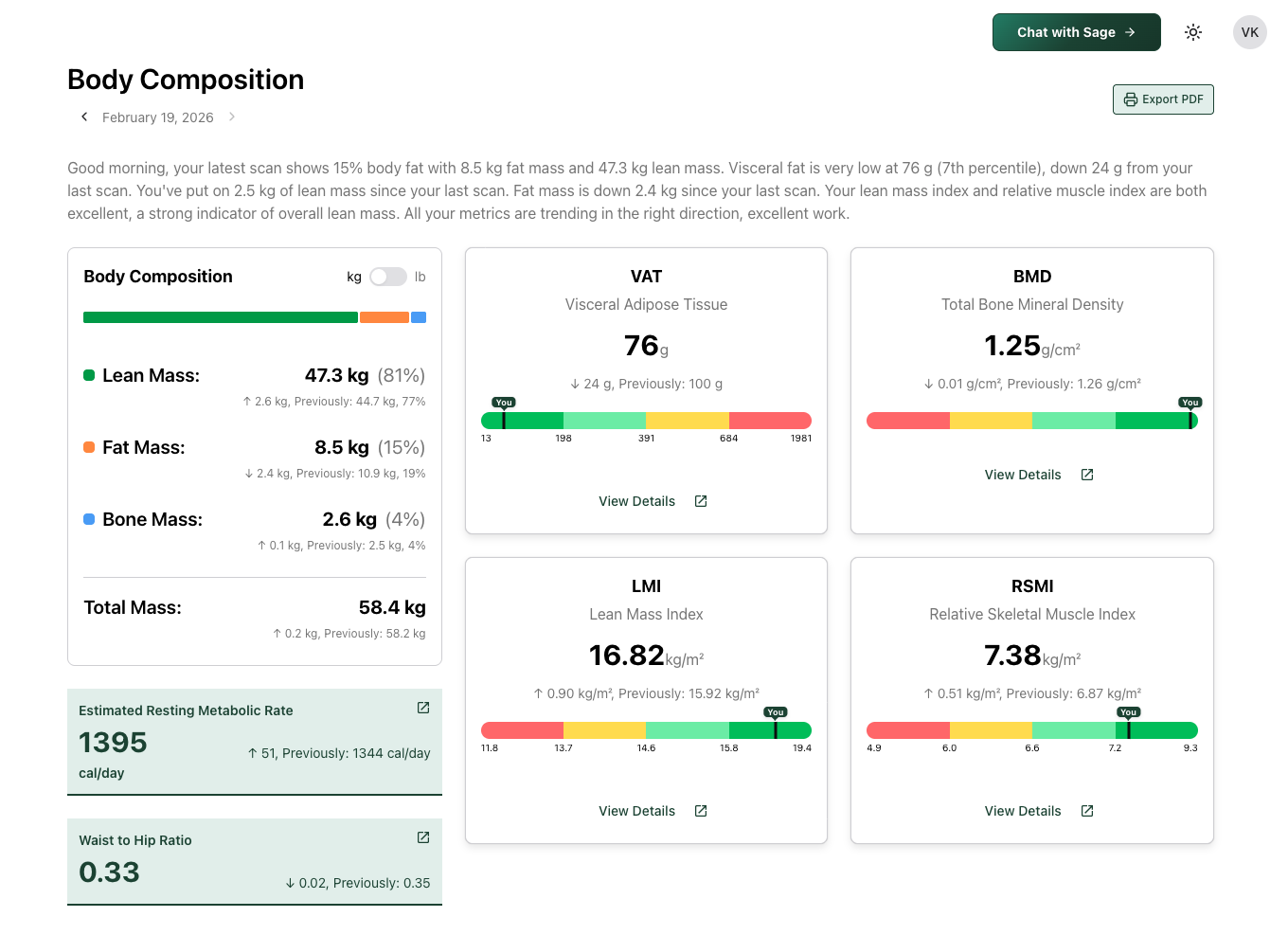
DEXA is the gold standard for body composition. Every Benchmark scan captures lean mass, fat distribution, visceral fat, and bone density, then shows them clearly in your dashboard.
Lean Mass
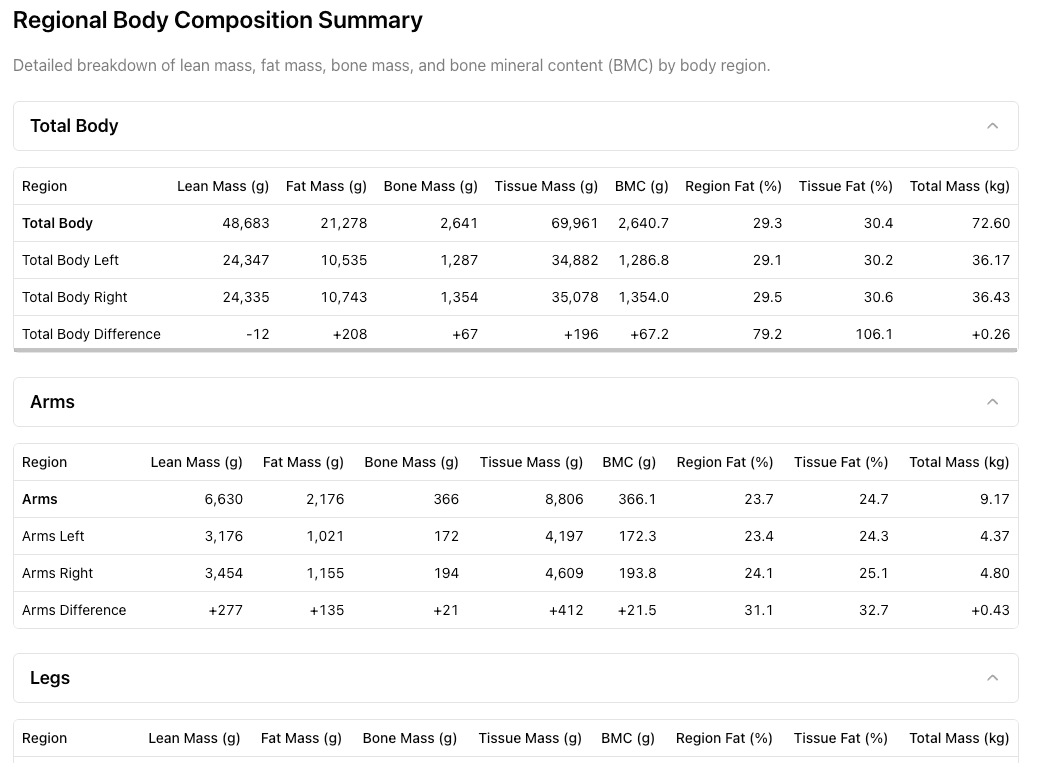
Total lean mass, broken down by region and as a percentage of your body.
Total Body Fat
Total fat mass, broken down by region and as a percentage of your body.
Visceral Adipose Tissue (VAT)
Deep abdominal fat linked to inflammation and metabolic health.
Estimated Resting Metabolic Rate
Your estimated caloric burn at rest, a baseline for energy needs.
Android / Gynoid Ratio
How fat is distributed between your midsection and hips.
Total Bone Mineral Density
A whole-body view of skeletal strength and bone health.
Muscle Indices
Lean Mass Index (LMI) and Relative Skeletal Muscle Index (RSMI), age- and sex-adjusted measures of muscle.
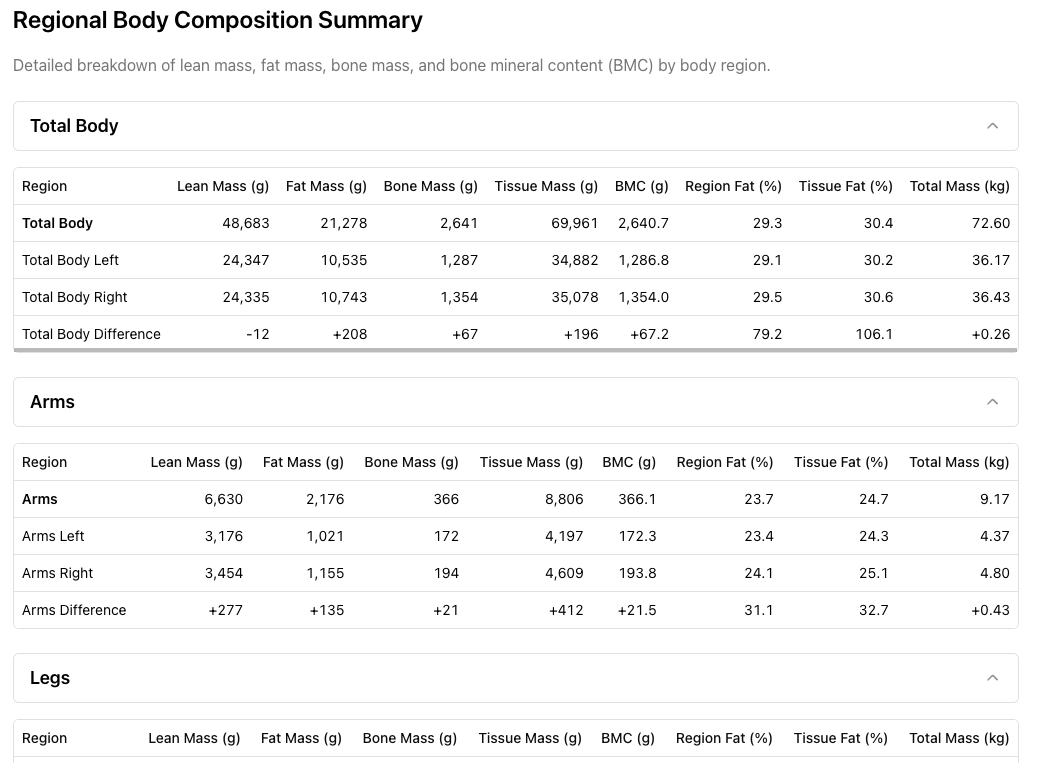
Detailed Regional Breakdown
Lean mass, fat, and bone broken down by arms, legs, and trunk.
Why DEXA Is More Accurate
InBody is convenient. It is not a substitute for a DEXA scan when you need a number you can make decisions from.
DEXA (dual-energy X-ray absorptiometry) passes two low-dose X-ray beams through the body and separates lean tissue, fat, and bone by how each absorbs energy.
InBody is BIA. It estimates fat and lean mass from how a small current travels through water-rich tissue. That signal changes when you drink, eat, or train.
Because DEXA images the tissue itself, it can report visceral fat, regional change, and total bone mineral density. InBody cannot match that level of detail.
How It Works
We recommend getting scanned every 3 to 6 months so you can see whether fat is coming down and lean mass is holding.
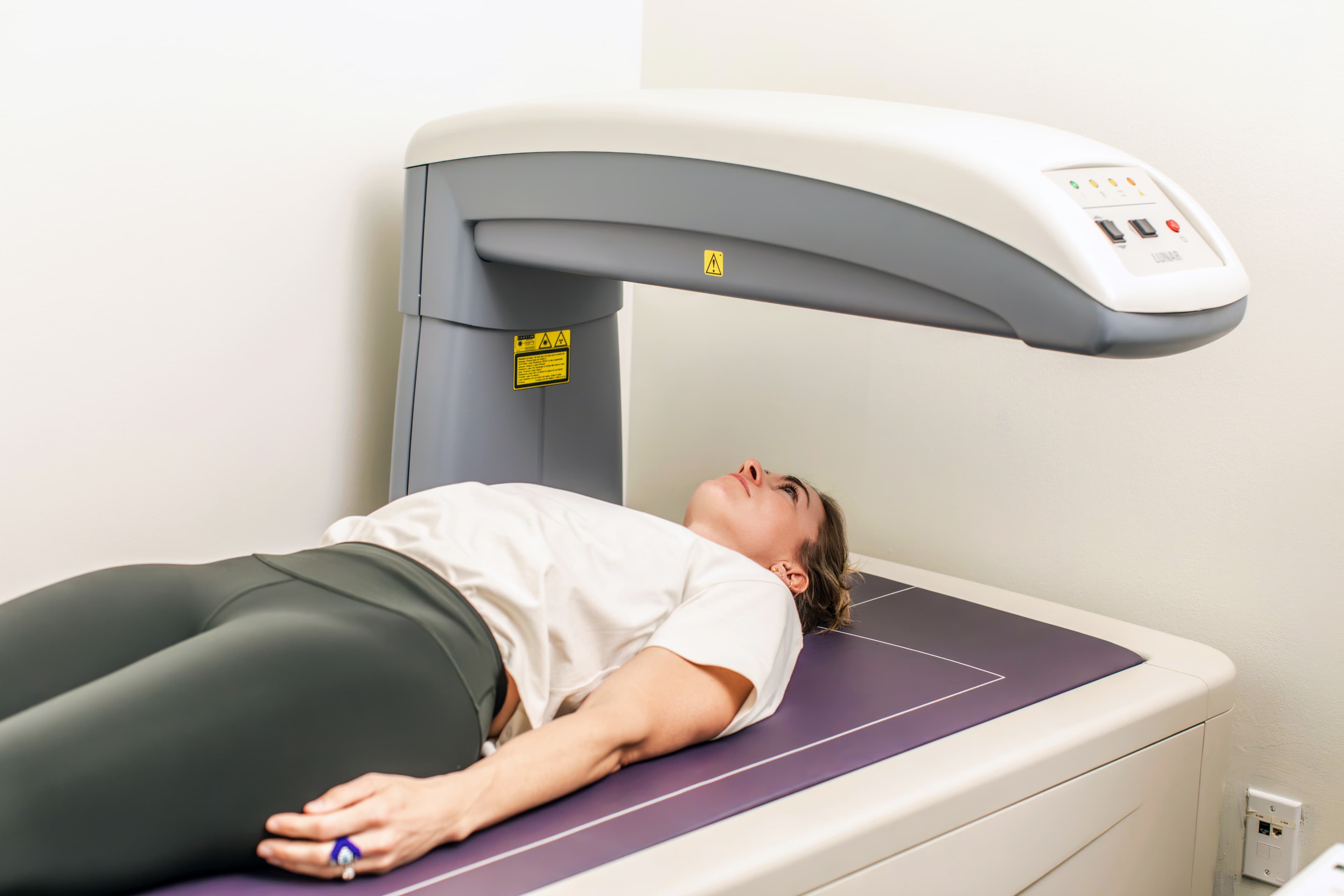
01
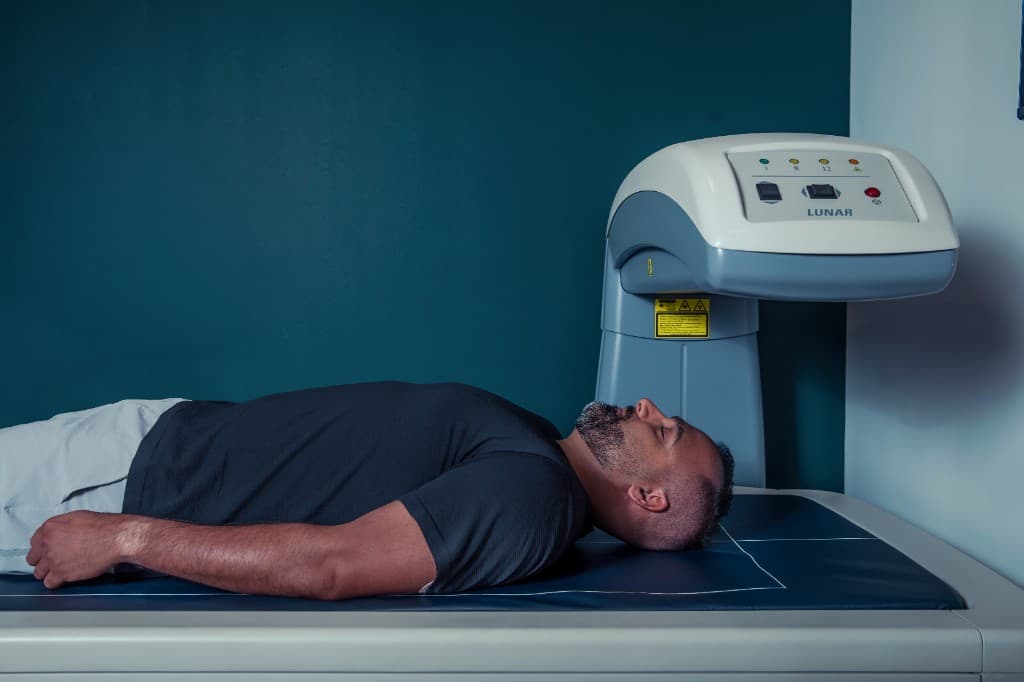
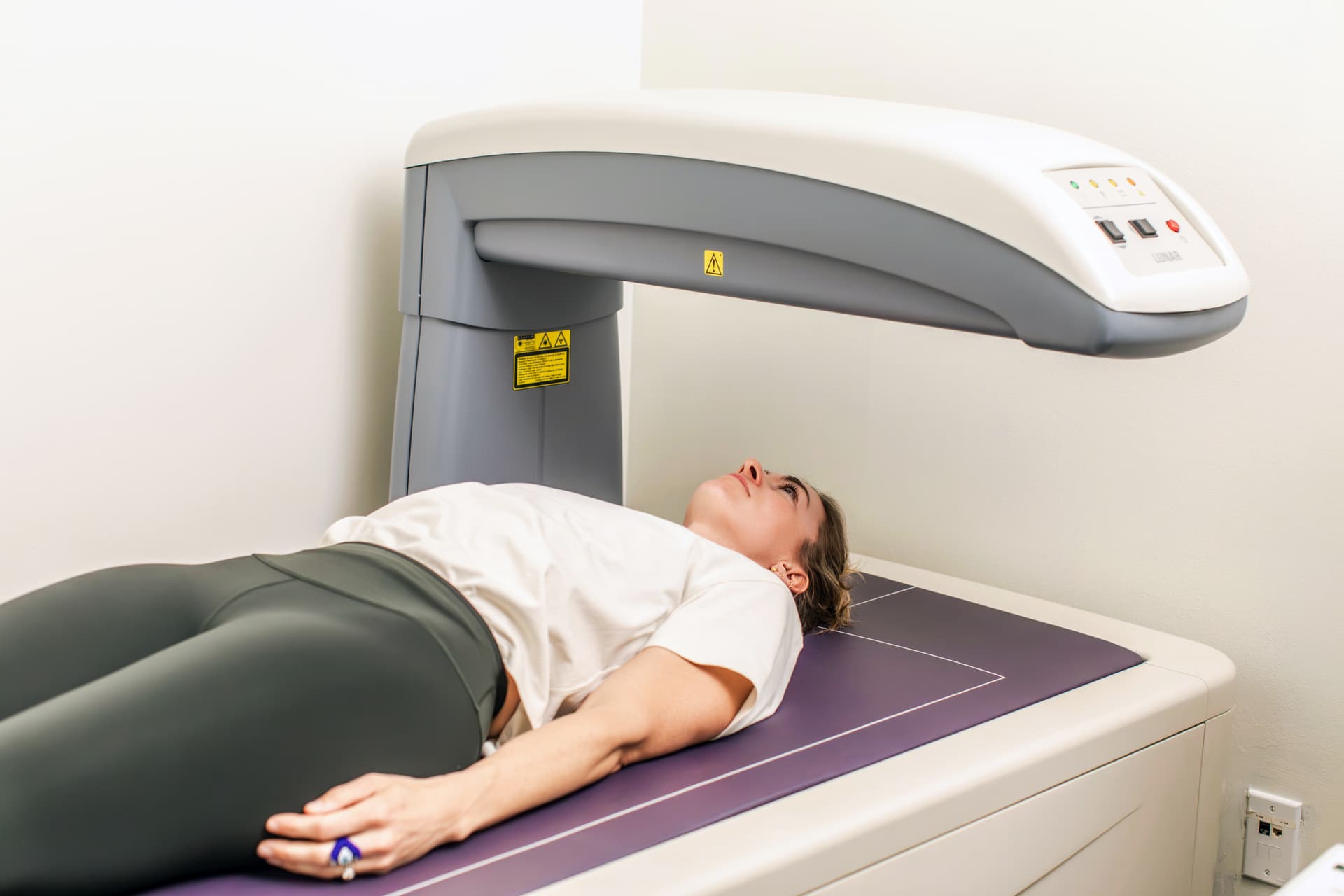
Lie back for a quick, painless DEXA scan. The entire process takes a few minutes with minimal radiation exposure.
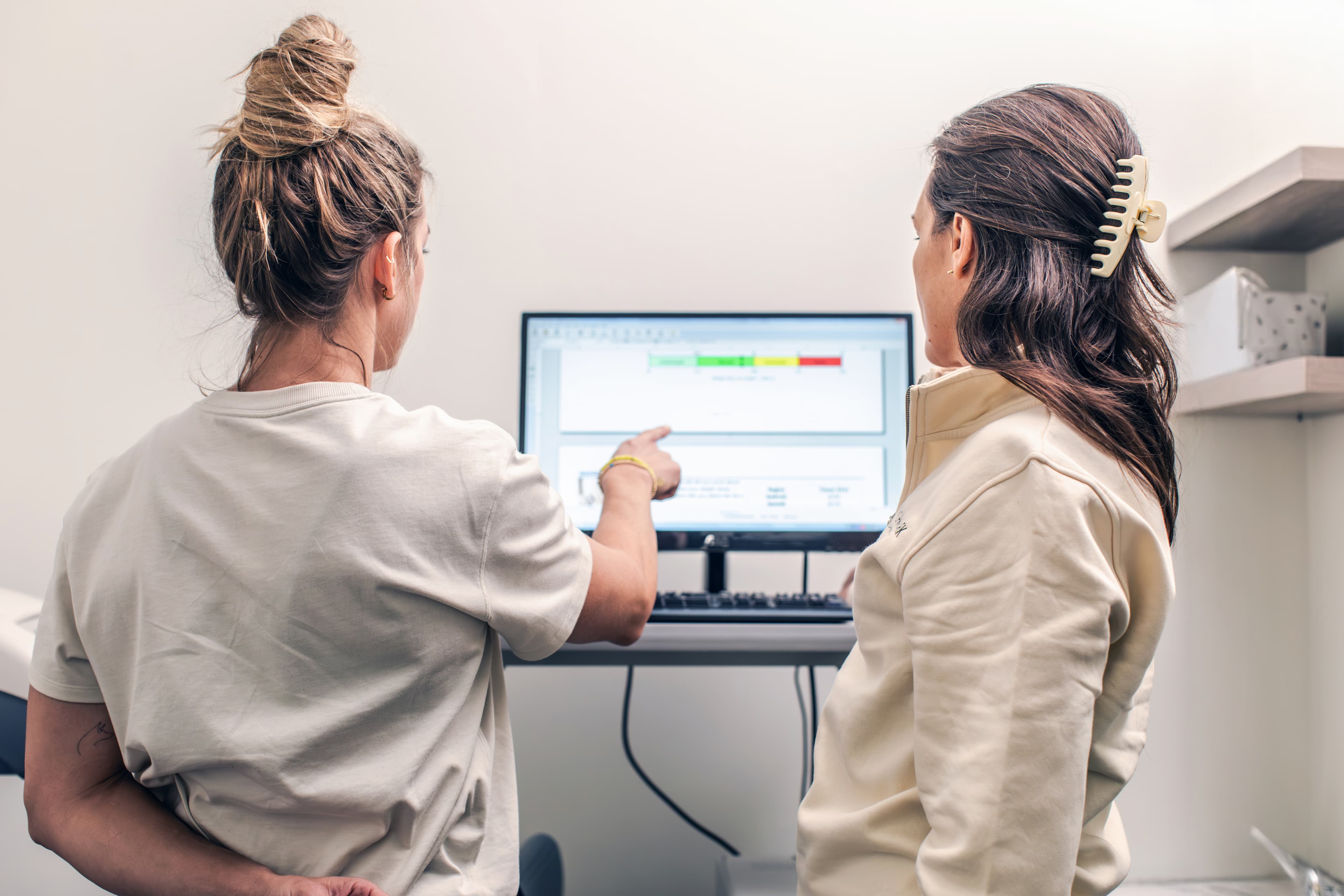
02
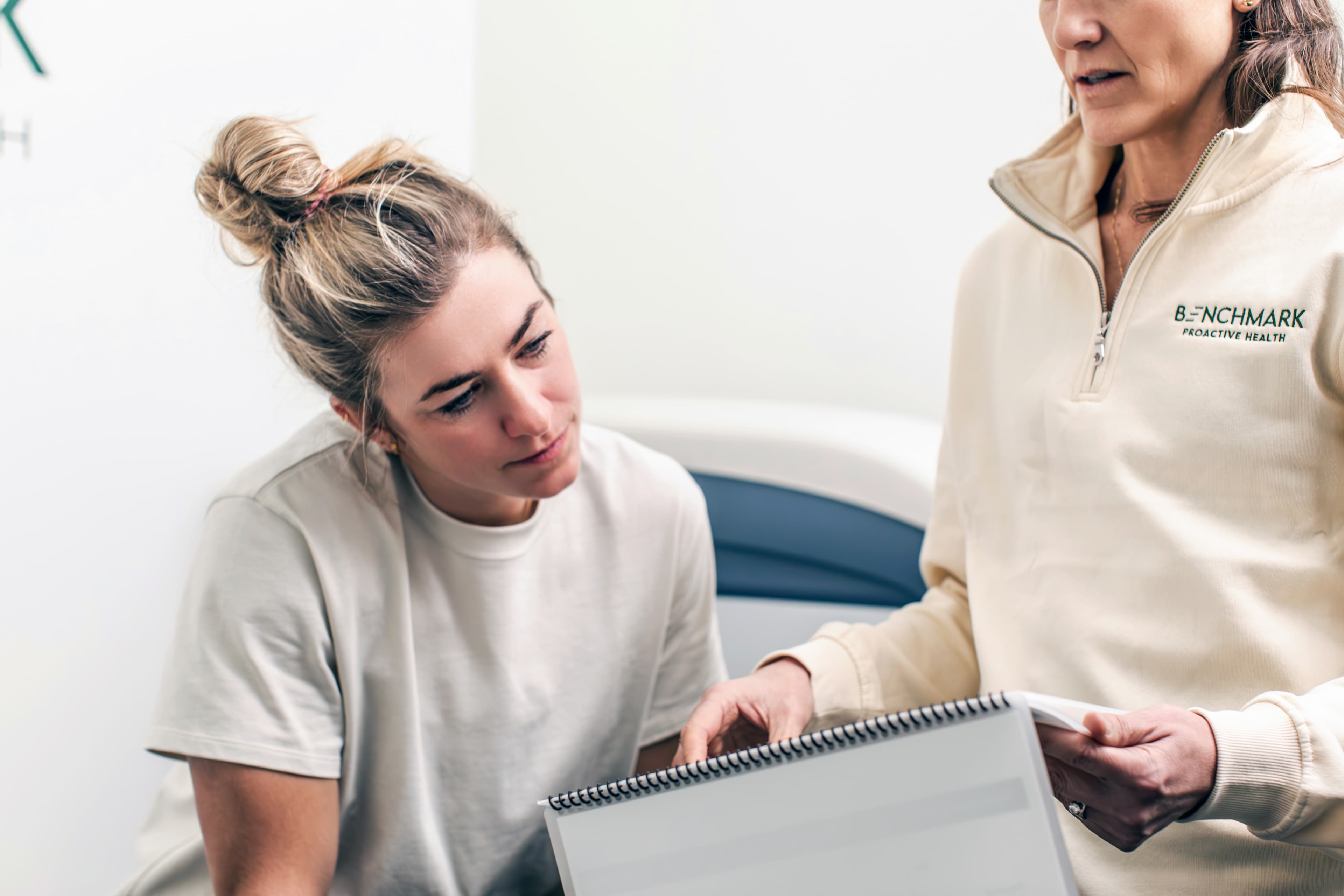
Receive a professional review of your results with expert insights, delivered immediately after your scan.
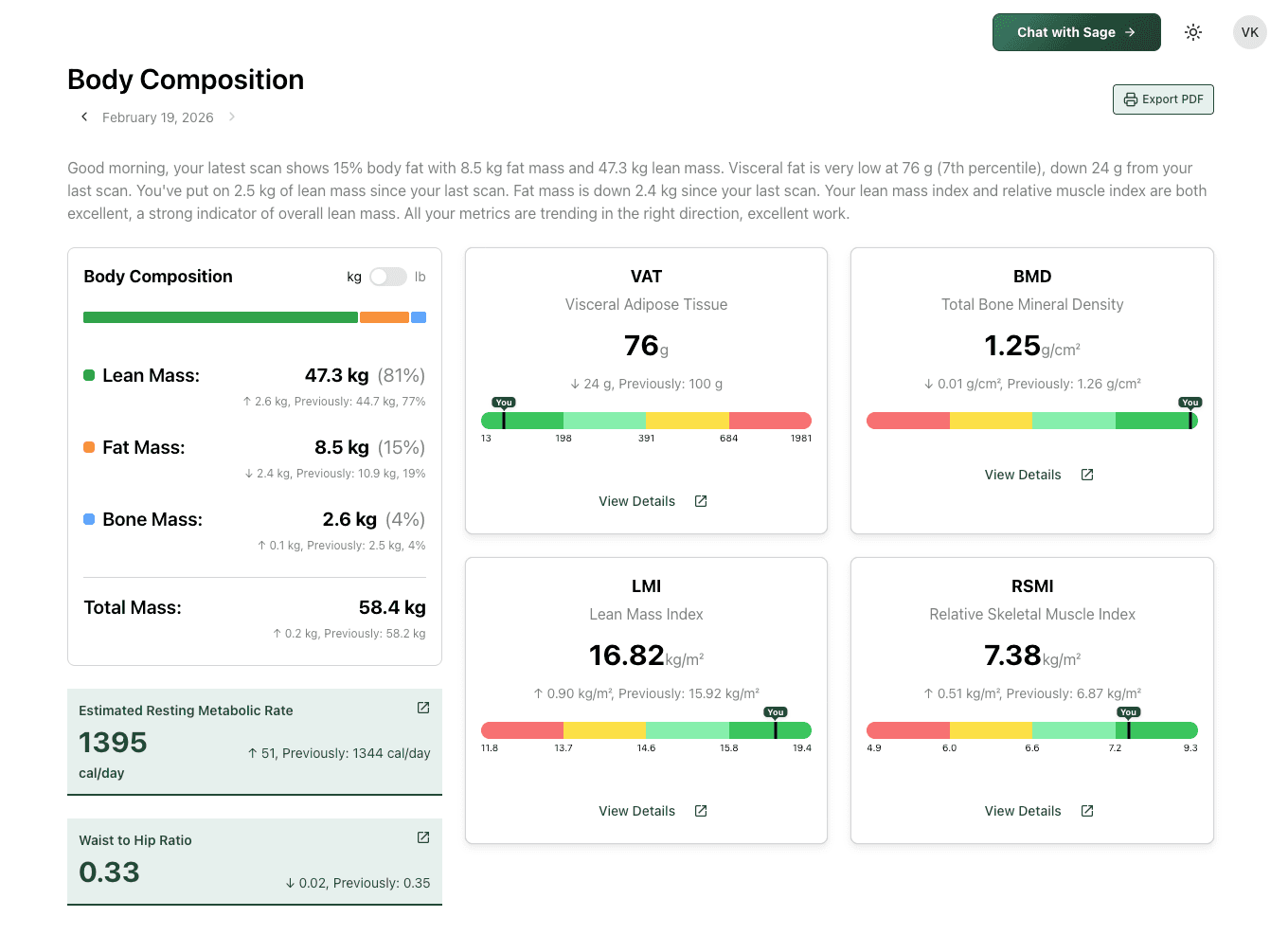
03
View detailed results online with trend tracking, educational content, and a downloadable PDF report you can share.
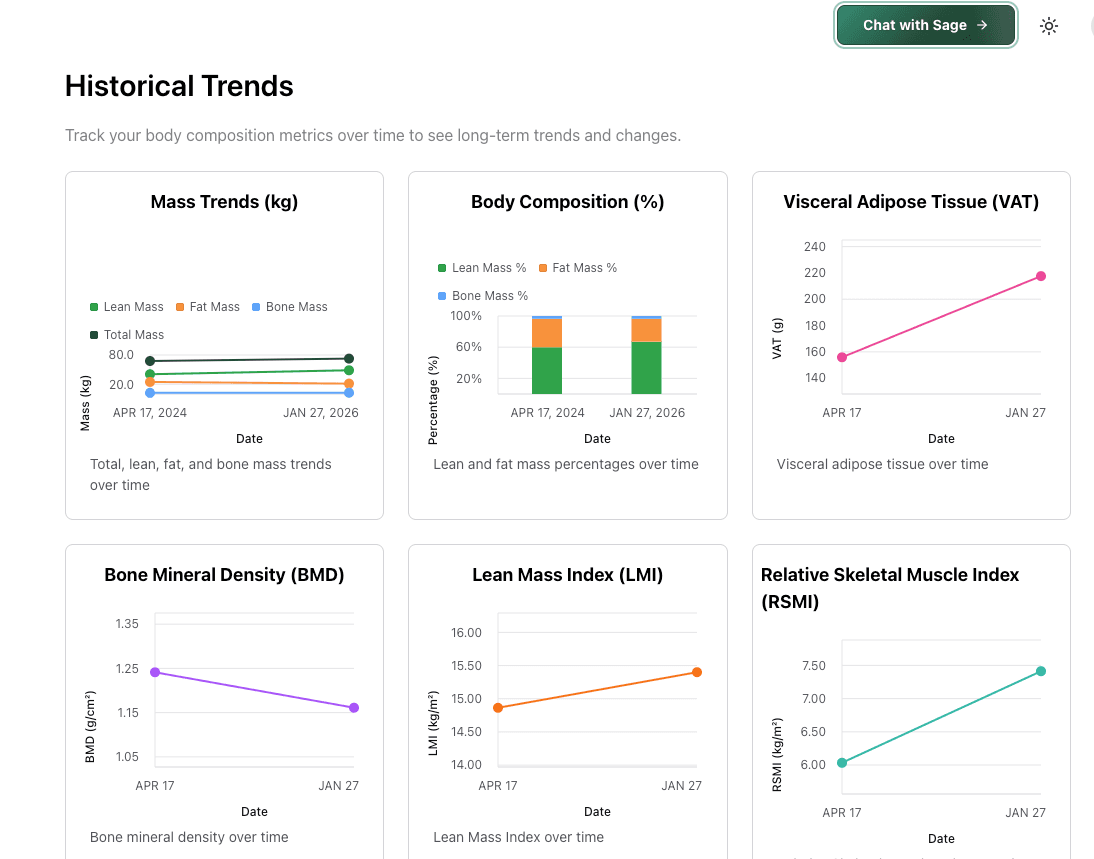
Your Benchmark Dashboard
Every DEXA scan lives in one place, with clear visuals, historical trends, and guidance so you can see what changed, not just what you weigh.
See lean mass, body fat, VAT, and bone density together instead of a single body-fat percentage.
Compare scans over time so fat loss and muscle change are obvious.
Leave with a clinician review and a report you can share.
FAQ
Clear answers if you have used InBody at a gym and want a more accurate body composition baseline.
Yes. DEXA is widely treated as the gold-standard body composition assessment because it images lean mass, fat mass, visceral fat, and bone density directly. InBody uses bioelectrical impedance analysis, so the result is an estimate that can change with hydration, recent meals, and exercise.
InBody readings depend on how easily a small electrical current travels through the body. Water, sodium, food volume, and a hard workout all change that signal. That is why two InBody tests on consecutive days can disagree even when your fat and muscle have not changed.
A Benchmark DEXA scan measures lean mass, total body fat, visceral adipose tissue (VAT), estimated resting metabolic rate, android/gynoid fat distribution, total bone mineral density, muscle indices, and a regional breakdown of arms, legs, and trunk. Results are reviewed with a clinician and added to your dashboard the same day.
InBody does not measure bone mineral density. Some devices estimate visceral fat, but they do not image VAT the way DEXA does. If visceral fat or bone health is part of why you are testing, DEXA is the clearer choice.
Yes. Use DEXA as the high-confidence baseline and repeat scan every 3 to 6 months. An InBody or scale can sit in between for accountability, as long as you do not treat those numbers as equally precise.
A body composition DEXA scan is $125, typically HSA eligible, and does not require a referral. DEXA is also included in Foundation, Lifestyle, and Performance packages.
Explore More
Compare related questions and choose the Benchmark starting point that fits your goals.
Book a $125 DEXA scan in Burlington, or talk with our team if you want help choosing the right starting point.